

Uncategorized
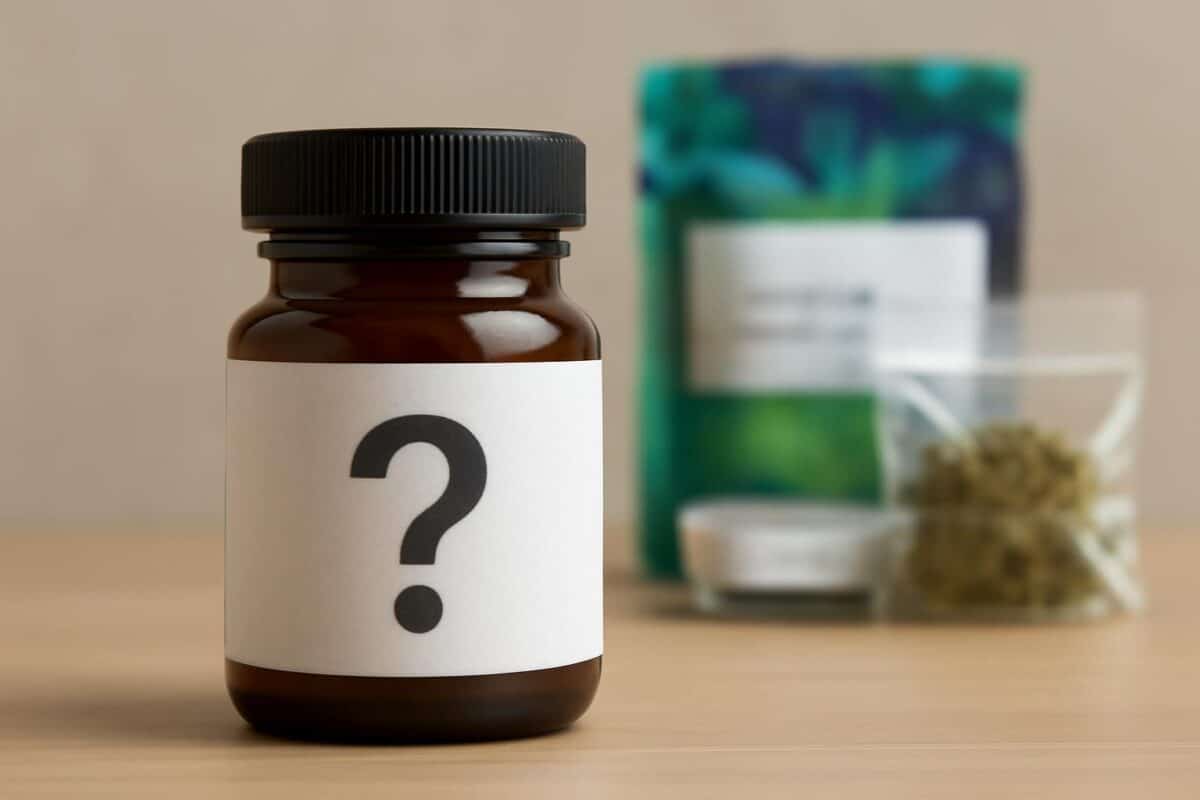
Synthetic Cannabinoid Product Names: Why Branding Cannot Prove What’s Inside
Nov
Important note: This article is educational and harm-reduction focused. Synthetic cannabinoids can cause severe and unpredictable effects, and laws vary by location. No product name, package design, or online description can establish that a substance is safe or legal.
Names are one of the first things people notice when they encounter a synthetic cannabinoid product. A package may use terms such as “herbal incense,” “potpourri,” “Spice,” “K2,” “legal high,” or a colorful strain-style name. Other products may be described as research chemicals, botanical blends, or cannabinoid alternatives.
These labels can create the impression that a product is familiar, standardized, or less risky than it really is. In practice, synthetic cannabinoid product names are often branding rather than chemistry. The same name may refer to different compounds over time, while products with different names may contain similar or overlapping substances.
This is an evergreen safety issue rather than a claim about a current trend. Formulas, regulations, and packaging can change quickly, so consumers should assess the available evidence instead of relying on a familiar name.
What synthetic cannabinoid product names can and cannot tell you
A product name may communicate a marketing identity, flavor, color, or intended retail category. It usually does not provide a dependable chemical profile. Terms such as “herbal,” “natural,” “premium,” or “lab-made” are not substitutes for independent analytical testing.
For example, the word “herbal” may describe the plant material used as a carrier, not the active substance applied to it. Likewise, “incense” or “potpourri” may be used as a legal or retail description even when the product is not intended to be burned or inhaled. A decorative label does not make an unknown chemical mixture predictable.
The name also cannot establish:
- Which synthetic cannabinoid, if any, is present
- The concentration or distribution of the active compound
- Whether multiple chemicals are present
- Whether the product has been contaminated during manufacturing or storage
- Whether the contents match the package
- Whether the product is lawful in a particular state, territory, or country
Anyone researching the subject can review general background information through the Herbal Spice Shop homepage, but a retailer description should not be treated as a laboratory report or medical safety assessment.
Why the same name may not mean the same product
Formulas can change without a new brand name
Manufacturers and distributors may change a formula while keeping the same product name, artwork, or slogan. This can happen when a compound becomes controlled, difficult to obtain, more expensive, or subject to enforcement. A replacement chemical may produce a different strength, duration, or adverse-effect profile.
As a result, a previous personal experience, online review, or recommendation may not describe a later batch. Even a product purchased from the same seller can differ between production runs.
Branding can imitate familiar cannabis language
Some packages use names associated with cannabis strains, fruit flavors, cartoon characters, or high potency. These names can make a synthetic cannabinoid seem easier to understand by suggesting an expected experience. They do not demonstrate that the product contains cannabis, a regulated cannabinoid, or a consistent formula.
Labels that use words such as “ultra,” “strong,” “3G,” “crystal,” or “isolate” may describe marketing or package size rather than a verified chemical concentration. Consumers should be especially cautious when potency claims are not supported by a batch-specific analysis.
Online reviews are not chemical verification
Reviews may discuss appearance, smell, packaging, delivery, or subjective effects. Those observations cannot confirm identity or purity. Two people can respond differently to the same substance, and a review may refer to an older batch or a counterfeit package.
Reviews can be useful for identifying recurring customer-service or packaging complaints, but they should never replace professional testing or medical advice.
How to examine a label without overtrusting it
Reading a label is still worthwhile, provided it is treated as one piece of information rather than proof of safety. Look for a complete ingredient list, manufacturer identity, lot or batch number, production date, expiration information, and a way to contact the responsible company.
Be cautious when packaging contains only a catchy name and broad phrases such as “not for human consumption.” That disclaimer does not explain the chemical contents, reduce toxicity, or make a product suitable for inhalation, ingestion, or skin contact.
Other warning signs include:
- No batch number or inconsistent batch numbers
- Spelling errors, blurry printing, or changing package artwork
- Claims that a product is “100% safe,” “risk-free,” or impossible to detect
- Promises of effects that sound unusually strong or immediate
- Ingredient lists that use vague terms such as “proprietary blend”
- Laboratory reports that do not identify the tested batch
- Reports that are old, edited, incomplete, or missing testing methods
- Labels that conflict with the seller’s online description
What a meaningful certificate of analysis should show
A certificate of analysis, often called a COA, can be useful when it comes from a credible independent laboratory and clearly corresponds to the product in hand. However, a document labeled “lab tested” is not automatically reliable.
At minimum, examine whether the report includes the laboratory’s name and contact details, the sample identification, the lot number, the date received, the date tested, and the analytical method. It should identify detected compounds rather than simply stating “passed” or “compliant.”
Ideally, the report should also address contaminants relevant to the product, such as residual solvents, heavy metals, pesticides, microbial contamination, and unexpected compounds. Testing for one cannabinoid does not prove that the sample is free from all other chemicals.
A QR code can link to a genuine report, but it can also lead to a generic webpage. Compare the report’s lot number and product description with the physical packaging. If those details do not match, the document should not be used to justify confidence in the product.
Why appearance and smell are unreliable safety tests
People sometimes try to assess herbal incense or liquid products by looking at color, texture, smell, or how evenly a material appears to be coated. These characteristics cannot identify a synthetic cannabinoid or measure its concentration.
Uneven distribution is a particular concern with products applied to plant material or paper. A small area may contain a substantially different amount of active chemical than another area. This variability can make effects unpredictable and can increase the chance of accidental exposure.
Do not taste an unknown product, intentionally inhale it, heat it to test the smell, or handle it in a way that could transfer residue to the eyes or mouth. Avoid combining an unknown cannabinoid product with alcohol, prescription medication, stimulants, opioids, or other psychoactive substances.
Legal status and product identity are separate questions
A product may be sold online or displayed in a headshop without being legal everywhere. A name such as “legal high” is a marketing phrase, not a legal conclusion. Laws can address specific compounds, groups of related chemicals, analogues, manufacturing practices, labeling, and intended use.
Jurisdictions may also regulate hemp-derived products differently from synthetic or semi-synthetic cannabinoids. Shipping rules can vary by destination, and a seller’s willingness to accept an order does not guarantee lawful possession or delivery.
Before buying, possessing, transporting, or disposing of a product, check the rules that apply where you live. The site’s post archive sitemap can help readers locate related educational pages, but older articles may not reflect later legal changes. Treat legal information as time-sensitive and verify it through current official channels.
Recognizing a possible adverse reaction
Synthetic cannabinoids can affect the brain, heart, blood pressure, muscles, and kidneys. Reactions may include severe anxiety, confusion, agitation, hallucinations, vomiting, chest pain, rapid heartbeat, seizures, loss of consciousness, or unusual drowsiness. Symptoms may begin quickly or develop after a delay.
If someone has trouble breathing, collapses, has a seizure, develops chest pain, becomes dangerously agitated, or cannot be awakened, call emergency services immediately. Do not make the person vomit, leave them alone, or assume that sleep will resolve the problem. Tell medical professionals what was taken, when it was taken, and show the packaging if it is available.
Keep unknown chemicals away from children and pets. Avoid touching spilled liquid or powder with bare hands, and follow local hazardous-waste guidance rather than pouring substances down a drain or placing loose material in ordinary recycling.
A practical checklist for evaluating unfamiliar products
When a product uses synthetic cannabinoid terminology, pause before relying on the brand name. Ask the following questions:
- Is the complete ingredient list present and understandable?
- Does the package have a verifiable batch or lot number?
- Does an independent COA match that exact batch?
- Does the report identify specific compounds and relevant contaminants?
- Are the seller’s claims cautious, or do they promise certainty and extreme effects?
- Could the formula have changed since older reviews were posted?
- Is the product legal to possess and receive in the intended location?
- Would a healthcare professional be able to identify the substance in an emergency?
If several answers are unclear, the safest conclusion is that the product is unknown. Do not let a familiar name, attractive packaging, or positive review fill gaps in the evidence.
Frequently asked questions
Are K2 and Spice the same thing?
K2 and Spice are commonly used terms for groups of products associated with synthetic cannabinoids. They do not identify one single chemical or guarantee a consistent formula. Products sold under these names can vary substantially between brands, batches, and locations.
Does “herbal incense” mean a product is natural?
No. “Herbal incense” may describe the carrier material or marketing category. It does not prove that the product contains only herbs or that it is safe to burn, inhale, ingest, or apply to the skin.
Can a product name reveal its potency?
No. Words such as “extra strength,” “premium,” or “high potency” are not measurements. Potency can only be meaningfully assessed through suitable, batch-specific analytical testing, and even a test result may not address every contaminant.
Are online product reviews enough to identify a synthetic cannabinoid?
No. Reviews describe individual observations and may refer to a different batch. They cannot confirm chemical identity, dose, purity, or legal status.
Where can I find related information on this site?
Readers can browse the site’s page sitemap for related topics. Because product formulations and laws can change, use general articles as background information rather than as a substitute for current legal, toxicological, or medical guidance.
The key takeaway
Synthetic cannabinoid product names are not reliable identifiers. A label can suggest a category or brand, but it cannot prove what is inside, how strong it is, whether it is contaminated, or whether it is legal where you are. Batch-specific testing, transparent labeling, cautious claims, and current legal information provide a stronger basis for evaluation.
When that information is missing or contradictory, treat the product as an unknown chemical mixture. Avoid experimentation, watch for signs of an emergency, and seek professional help when exposure causes concerning symptoms.
