Origin and History of Synthetic Cannabinoids
Synthetic cannabinoids were first developed in the 1940s in the United States by organic chemist Roger Adams at the University of Illinois, who synthesized early analogues of tetrahydrocannabinol. Research expanded significantly between the 1970s and 1990s across several prominent institutions:
-
Pfizer Central Research (1970s–1980s): Pharmaceutical researchers developed the “CP” series (such as CP 47,497) while searching for non-opioid, non-addictive pain relievers and antiemetics.
-
Hebrew University of Jerusalem (1980s): Led by Dr. Raphael Mechoulam in Israel, scientists synthesized the “HU” series (including HU-210) to investigate cannabinoid receptor structures and potential neuroprotective drugs.
-
Clemson University & Northeastern University (1990s): Dr. John W. Huffman (creator of the “JWH” series, including JWH-018) at Clemson University in South Carolina and Dr. Alexandros Makriyannis (“AM” series) at Northeastern University in Massachusetts synthesized hundreds of compounds to map human cannabinoid receptor pathways.
Purpose of Discovery
Synthetic cannabinoids were engineered exclusively for academic, medical, and pharmacological research. Scientists created them to study the endocannabinoid system, analyze receptor binding mechanics, and develop targeted therapies for chronic pain, inflammation, and nausea—all without relying on restricted natural cannabis plants. They were never intended for human recreational consumption.
What Are Synthetic Cannabinoids?
Synthetic cannabinoids are laboratory-synthesized chemical compounds designed to alter brain function by binding to human cannabinoid receptors.
While phytocannabinoids like Delta 9 -THC found in natural cannabis act as partial agonists at cannabinoid receptors, synthetic cannabinoids typically function as full agonists. This means they bind to receptors with far higher affinity and activate them at intrinsic capacity, resulting in drastically increased potency, severe psychological distress, and high physical toxicity risks.
Forms of Synthetic Cannabinoids
Synthetic cannabinoids exist in several physical forms depending on how they are manufactured and distributed:
-
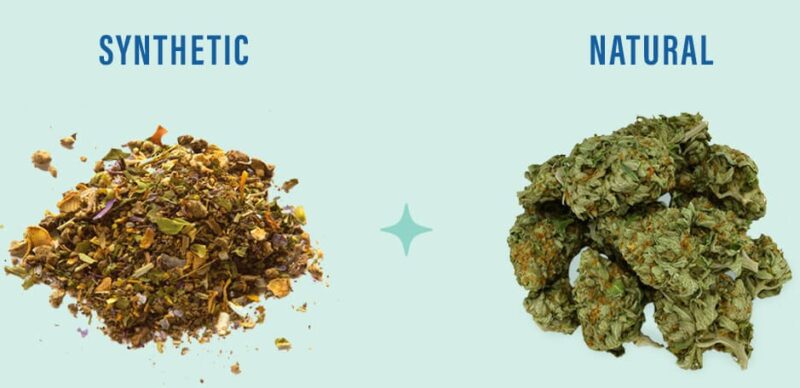
Dry Herbal Mixtures (“Spice” / “K2”): Inert dried plant material (such as damiana or marshmallow leaf) sprayed with dissolved synthetic cannabinoid solutions.
-
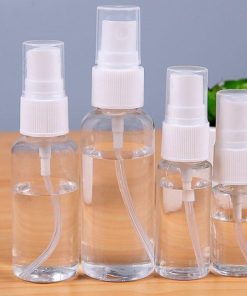
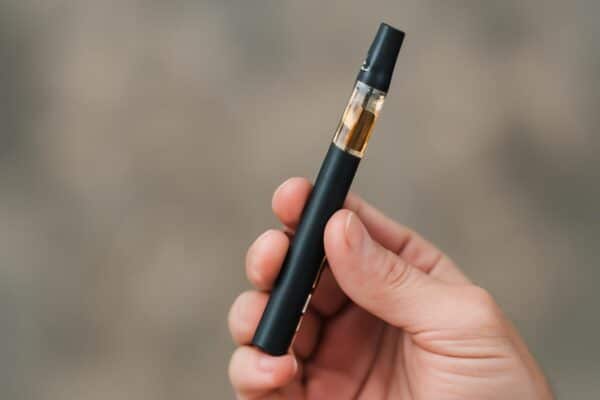
Liquid Formulations (“C-Liquid” / “Liquid K2”): Concentrated chemical solutions dissolved in carrier liquids like propylene glycol (PG) or vegetable glycerin (VG) for atomization in e-cigarettes and vaporizers.
-
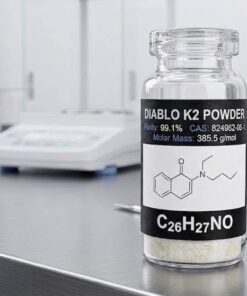
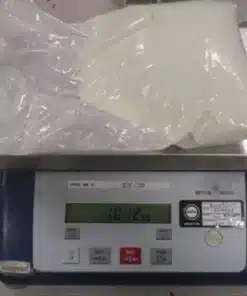
Pure Powder / Crystalline Solid: Raw bulk chemical powder produced in chemical laboratories, usually white, off-white, or yellowish in appearance.
-
Impregnated Paper / Blotters: Paper sheets or correspondence soaked in liquid chemical solutions, frequently smuggled into restricted environments like correctional facilities.
-
Synthetic Resins & Waxes: Solid or semi-solid sticky concentrates created to mimic natural hashish or cannabis dabs.
Synthetic Cannabinoids FAQ
What is the strongest synthetic cannabinoid?
Ultra-potent indazole-3-carboxamide derivatives like 5F-ADB (5F-MDMB-PINACA) and MDMB-4en-PINACA are among the strongest synthetic cannabinoids ever detected. They display half-maximal effective concentrations under, making them hundreds of times more potent than natural Delta 9 -THC. Historically, classical synthetic compound HU-210 is also rated up to 800 times more potent than natural THC.
Which legal cannabinoid is the strongest?
Among legally sold, hemp-derived cannabinoids governed under domestic agricultural standards, THC-P (Tetrahydrocannabiphorol) is considered the strongest. Research indicates THC-P has an alkyl side chain containing 7 carbon atoms, giving it a receptor binding affinity roughly 33 times greater than standard Deltav 9 -THC.
Which synthetic cannabinoid is the most potent?
Fluorinated indazole-carboxamide compounds such as 5F-ADB and 4F-MDMB-BUTINACA rank among the most potent synthetic cannabinoids. Their extreme binding efficiency requires microgram-level dosing, significantly elevating the risk of accidental overdose.
Can you give me some examples of synthetic cannabinoids?
Prominent examples across different chemical families include:
-
JWH-018 (Naphthalen-1-yl-(1-pentylindol-3-yl)methanone)
-
5F-AKB-48 / 5F-APINACA (Indazole-3-carboxamide)
-
5F-ADB / 5F-MDMB-PINACA (Fluorinated indazole)
-
MDMB-4en-PINACA (Alkenyl indazole-carboxamide)
-
HU-210 (Classical dibenzopyran analogue)
-
CP 47,497 (Non-classical cyclohexylphenol)
-
WIN 55,212-2 (Aminoalkylindole)
Which cannabinoid gets you the most high?
Ultra-potent full agonists like 5F-ADB or HU-210 induce the most severe and overwhelming psychoactive states. However, because full agonists completely overstimulate central nervous system receptors, the resulting “high” is rarely pleasurable and frequently leads to severe paranoia, extreme panic, hallucinations, and loss of consciousness.
What are the top 5 cannabinoids?
The five most notable natural and well-known cannabinoids in consumer awareness and pharmacology are:
-
Delta 9 -THC ( Delta 9 -Tetrahydrocannabinol): Primary psychoactive compound in organic cannabis.
-
CBD (Cannabidiol): Major non-intoxicating compound valued for therapeutic and anti-inflammatory properties.
-
CBG (Cannabigerol): Non-intoxicating “parent” cannabinoid from which THC and CBD originate.
-
CBN (Cannabinol): Sedative cannabinoid formed as THC breaks down over time.
-
THC-P (Tetrahydrocannabiphorol): High-potency, naturally occurring trace cannabinoid.
Which cannabinoid is the best?
The “best” cannabinoid depends on the intended application:
-
For Wellness & Anxiety Relief Without Intoxication: CBD or CBG are widely considered best due to their safety profiles and non-intoxicating therapeutic benefits.
-
For Controlled Relaxation & Pain Management: Natural Delta 9-THC offers balanced psychoactive relief when consumed responsibly.
-
Synthetic Cannabinoids (K2/Spice): Unregulated synthetic cannabinoids are considered unsafe due to severe toxicity and unpredictable side effects.
Is K2 called anything else?
Yes. K2 is known by dozens of brand and street names, including Spice, Legal Highs, Genie, Zohai, Black Mamba, Scooby Snax, Joker, Liquid Gold, C-Liquid, and Synthetic Marijuana.
What is the price of JWH-018?
Because JWH-018 is a banned, Schedule I controlled substance under United States federal law and international drug statutes, commercial consumer sale is illegal. For legitimate scientific research, certified analytical reference standards. k2 or spice for sale available at Herbal spice shop
Where can I find JWH-018?
JWH-018 cannot be legally bought, sold, or possessed for consumer or personal use. Certified research institutions can only obtain analytical reference standards through authorized chemical suppliers (such as Sigma-Aldrich or Cayman Chemical) using valid federal DEA research registrations.
What are the effects of JWH-018 on the body?
-
Physical Health Hazards: Rapid heart rate (tachycardia), high blood pressure spikes, chest pain, nausea, dizziness, vomiting, motor incoordination, hypothermia, muscle tremors, seizures, and acute organ distress (including potential kidney injury).
-
Psychological Hazards: Severe paranoia, extreme panic attacks, intense agitation, acute psychosis, visual and auditory hallucinations, cognitive disorientation, and sudden loss of consciousness.
-
Long-Term Risks: Rapid desensitization of receptors leading to severe physical dependency, severe withdrawal syndrome, cardiovascular collapse, and elevated overdose risks.
FDA-Approved Synthetic Cannabinoids
The U.S. Food and Drug Administration (FDA) has approved three synthetic cannabis-related prescription drug products:
-
Marinol (Dronabinol): Contains synthetic Delta 9 -tetrahydrocannabinol (Delta 9 -THC). It is approved for treating nausea and vomiting associated with cancer chemotherapy, as well as anorexia associated with weight loss in AIDS patients.
-
Syndros (Dronabinol): An oral solution containing synthetic Delta 9 -THC approved for the same indications as Marinol (chemotherapy-induced nausea/vomiting and AIDS-related anorexia).
-
Cesamet (Nabilone): Contains a synthetic compound with a chemical structure similar to THC. It is indicated for treating nausea and vomiting caused by cancer chemotherapy in patients who have failed to respond adequately to conventional antiemetics.
(Note: Epidiolex is also FDA-approved, but it contains purified cannabidiol (CBD) derived directly from the cannabis plant, rather than a synthetic chemical.)
The “Mother of All Cannabinoids”
CBGA (Cannabigerolic Acid) is widely known in cannabis pharmacology as the “mother of all cannabinoids.”
During the growth cycle of the cannabis plant, enzymes convert CBGA into the precursor forms of primary cannabinoids, including THCA (Delta 9 -tetrahydrocannabinolic acid), CBDA (cannabidiolic acid), and CBCA (cannabichromenic acid). As the plant matures or undergoes decarboxylation via heat, these acidic compounds break down into their active forms: THC, CBD, and CBC.
Which Cannabinoid Gets You the Most High?
-
Among Illicit Synthetic Cannabinoids: Ultra-potent synthetic full agonists like 5F-ADB (5F-MDMB-PINACA) or classical synthetic compounds like HU-210 generate the most overwhelming and intense psychoactive response. Unlike plant-based THC, which acts as a partial agonist at receptors, full agonist synthetic cannabinoids activate receptors at capacity. However, this level of overstimulation frequently results in severe distress, panic, paranoia, loss of consciousness, and dangerous toxicity rather than an enjoyable high.
-
Among Naturally Occurring / Hemp-Derived Cannabinoids: THC-P (Tetrahydrocannabiphorol) is considered the most potent. Its extended 7-carbon side chain gives it a binding affinity at brain receptors roughly 33 times greater than standard Delta 9 -THC, producing significantly stronger psychoactive effects.