

What is K2 (Herbal Incense)?
“K2” is a common street name for products marketed as herbal incense, potpourri, or synthetic cannabinoid blends. These products typically consist of plant material sprayed with synthetic chemicals that were designed in laboratories to act on the same brain receptors as THC (the active compound in cannabis). Manufacturers have sold them under many brand names and package claims such as “not for human consumption” or “for aromatherapy” to avoid regulation.
How K2 Herbal Incense Is Made (High-Level Overview)
-
Manufacturers usually start with shredded plant material (herbs, flowers, leaves).
-
That plant base is sprayed or soaked with synthetic cannabinoid compounds (laboratory-made molecules that mimic THC).
-
The final product is dried, packaged, and sometimes labeled with colorful branding and disclaimers.
Important: I’m giving a high-level description only — not manufacturing steps. Providing instructions to create or modify these substances would be unsafe and is not something I can help with.
Effects of K2 herbal incense
K2 and other synthetic cannabinoid products are associated with a range of unpredictable and sometimes severe effects because:
-
The synthetic chemicals used vary widely in potency and toxicity.
-
Batches are often inconsistent — the active compound and dose can change between packs.
-
Reported adverse effects include rapid heart rate, severe agitation, hallucinations, nausea, seizures, acute psychosis, and in some cases life-threatening complications.
-
Long-term health effects are not well-studied but may include dependence, cognitive issues, and psychiatric problems.
If someone experiences severe symptoms after using any substance, they should seek emergency medical help immediately.
Legal Status & “Legal Purchasing” — What You Need to Know
Legality of K2 herbal incense is complex and varies by jurisdiction:
-
Many countries and U.S. states have banned specific synthetic cannabinoids or broad chemical classes.
-
Vendors have historically labeled these products as “incense” or “potpourri” to circumvent regulations — but that does not make them legal for human consumption.
-
A product sold as “herbal incense” may still contain illegal controlled substances depending on local law and on the exact chemicals present.
Legal purchasing guidance (safe, lawful approach):
-
Do not attempt to purchase synthetic cannabinoid products if they are prohibited in your area.
-
If you want legal alternatives, choose regulated hemp/CBD products that clearly list ingredients and provide third-party lab test results (Certificates of Analysis).
-
Always verify local laws and regulations before purchasing any cannabinoid-related product. When in doubt, consult official government resources or a legal professional.
Trusted Information & Further Reading
For impartial, educational information about related products such as pain-relief syrups and legal herbal products, consider reputable sources. For example, Herbal Spice Shop provides product guides and safety information on legal herbal products and pain-relief syrups. Use such sites to compare labels, read ingredient lists, and find lab-tested alternatives to risky, unregulated substances.
Safer Alternatives to K2 Herbal Incense
If your goal is relaxation, mood support, or sleep aid, consider safer, legal options that have clearer safety profiles:
-
Over-the-counter herbal teas (chamomile, valerian)
-
Melatonin supplements for sleep regulation
-
Broad-spectrum or CBD products that include third-party lab results (where legal)
-
Mindfulness and behavioral approaches such as breathing exercises or guided sleep meditations
10 Helpful FAQs About K2 Herbal Incense
1. What exactly is “K2”?
K2 is a street term for certain synthetic cannabinoid blends sold as herbal incense or potpourri; the active chemicals are synthetic and vary by batch.
2. Is K2 the same as marijuana (THC)?
No. K2 uses synthetic chemicals that act on the same receptors as THC but are chemically different and often far more potent and unpredictable.
3. Are K2 products legal to buy?
It depends on your jurisdiction. Many places have banned specific synthetic cannabinoids or broad chemical classes — check local laws.
4. Are there health risks?
Yes. Reports link synthetic cannabinoids to severe adverse events including psychosis, seizures, and cardiovascular problems.
5. How do I know what chemicals are in a product?
Honest vendors provide third-party lab testing (Certificates of Analysis). Many “incense” sellers do not — that’s a red flag.
6. Can K2 show up on a drug test?
Some synthetic cannabinoids may be detectable, depending on the test and which chemicals were used.
7. Is there a safe dose?
No reliable “safe” dose exists because formulations and potency vary widely.
8. What should I do if someone becomes ill after using K2?
Seek emergency medical attention immediately and inform responders about possible synthetic cannabinoid exposure.
9. Are there legal, safer substitutes?
Yes — CBD (where legal), melatonin, herbal sleep aids, and other regulated products with transparent testing are safer choices.
10. Where can I get reliable information?
Use official public-health sites, poison control centers, and trusted product education sites like Herbal Spice Shop to learn about product ingredients and safety.
Final Notes (Safety First)
K2 herbal incense has a history of causing unpredictable and sometimes severe harm. If you’re researching cannabinoids for relaxation or medical reasons, prioritize legal, lab-tested products and consult healthcare or legal professionals about safety and local regulations. If your interest is academic or historical, use reputable public-health sources and avoid instructions for producing or obtaining controlled substances.
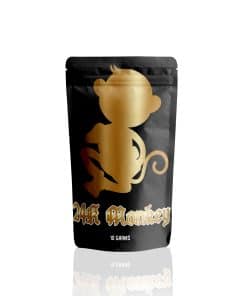
K2 herbal incense

K2 herbal incense

K2 herbal incense

K2 herbal incense

K2 herbal incense

K2 herbal incense

K2 herbal incense

K2 herbal incense

K2 herbal incense

K2 herbal incense

K2 herbal incense

K2 herbal incense