

Uncategorized
California Synthetic Cannabinoid Enforcement: What Seizures Mean for Product Safety
Nov
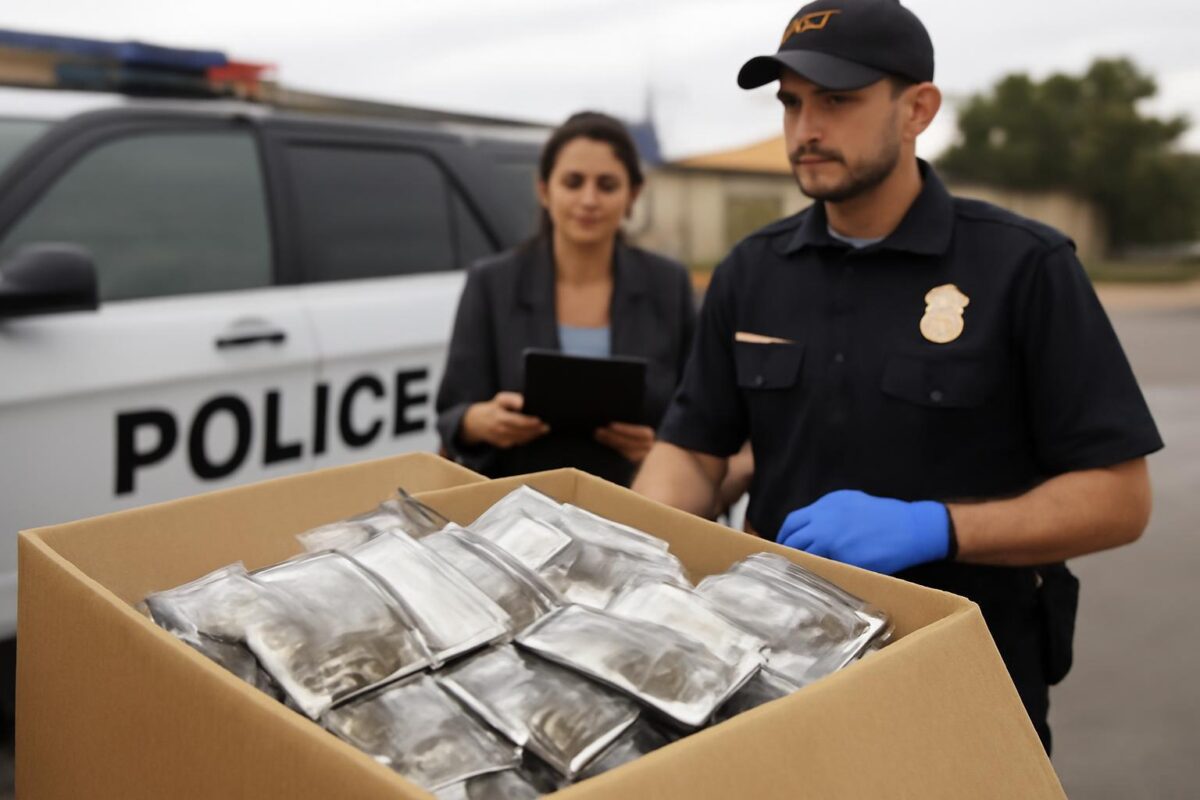
California synthetic cannabinoid enforcement is entering a more aggressive phase. Recent state announcements describe major seizures from illicit cannabis operations, while separate reporting points to growing scrutiny of intoxicating hemp-derived and synthetic cannabinoid products. For consumers, the most important takeaway is not simply that more products are being removed from the market. It is that product names, package claims, and online listings may no longer provide a reliable picture of what a product contains.
This matters because “synthetic cannabinoid” is often used loosely. Some products contain laboratory-created compounds designed to interact with cannabinoid receptors. Others are hemp-derived intoxicating products marketed with familiar terms such as THC, HHC, or “legal high.” Older products sold as K2 or Spice were commonly plant material treated with potent synthetic chemicals, but today’s market is broader and constantly changing.
The safest approach is to treat enforcement news as a product-quality and information-quality warning. A colorful label, a familiar strain name, or a claim that something is “herbal” does not establish what is inside.
Why California synthetic cannabinoid enforcement is increasing
California has a large regulated cannabis market, but it also faces a persistent illicit market operating outside the state’s testing, licensing, taxation, and tracking systems. State enforcement actions increasingly focus on products that appear designed to resemble regulated cannabis goods while avoiding the controls that apply to licensed businesses.
The distinction is especially important for synthetic cannabinoids and newer hemp-derived compounds. A product may be advertised as a disposable vape, edible, flower substitute, liquid herbal incense, or research chemical. If it is sold without reliable manufacturing information or required testing, consumers may have no dependable way to verify the active ingredients, concentration, contaminants, or intended use.
Recent enforcement signals also reflect a broader policy shift. Authorities are looking beyond traditional marijuana cultivation and asking whether products are accurately labeled, legally manufactured, and being sold through permitted channels. That can include products promoted online, in smoke shops, at temporary events, or through informal delivery networks.
What recent seizures can—and cannot—tell consumers
A seizure confirms that authorities found products connected to an allegedly unlawful operation. It does not mean every product in a broad category is identical, and it does not automatically establish that every item with a similar name is illegal. Product legality depends on the compound, formulation, location, intended use, labeling, and current federal, state, and local rules.
However, seizures do reveal several practical risks:
- Unverified composition: Products may contain a different cannabinoid than the label suggests, or multiple active compounds that are not disclosed.
- Inconsistent potency: Two packages with the same branding may contain substantially different amounts of an active ingredient.
- Contamination: Unregulated manufacturing can introduce solvents, pesticides, heavy metals, mold, or other unwanted substances.
- Misleading presentation: “Herbal,” “natural,” “potpourri,” or “not for human consumption” language does not make an intoxicating product harmless.
- Legal exposure: A product available online may still be restricted where it is shipped, possessed, or sold.
Consumers should therefore view enforcement headlines as a reason to improve verification, not as a shopping guide or a guarantee that products outside a seizure are safe.
Synthetic cannabinoids versus regulated cannabis
Natural cannabis contains a complex mixture of cannabinoids, terpenes, and other plant constituents. Synthetic cannabinoids are laboratory-made compounds that can act on the same biological system but may behave very differently in the body. Some older synthetic cannabinoid drugs were highly potent full agonists at cannabinoid receptors, which helps explain why their effects could be unpredictable and severe.
Regulated cannabis is not risk-free, but licensed systems generally require batch testing, ingredient disclosures, child-resistant packaging, health warnings, and traceability. Those safeguards do not exist uniformly in the illicit market.
Newer compounds can further complicate the picture. Terms such as HHC, 9H-HHC, 8-OH-HHC, THC analogues, and other research chemicals may refer to substances with limited human safety data. A product described as a “legal high” may be legal in one jurisdiction, restricted in another, or subject to a rule that changes as regulators respond to emerging chemistry.
For background on how terminology is used in this niche, readers can review the Herbal Spice Shop information and product overview. Product descriptions should be treated as marketing information, not as a substitute for independent laboratory documentation or medical advice.
Why labels and strain names are not enough
Names such as Citrus, Anubis, Pineapple Express, or other familiar branding can create the impression that a product is a standardized botanical strain. In many synthetic cannabinoid and herbal incense markets, however, a name may identify only a flavor, package design, or marketing line. It may not identify a consistent chemical formula.
The same concern applies to claims such as “premium,” “high potency,” “factory sealed,” or “lab tested.” A credible certificate of analysis should identify the specific batch, testing laboratory, sample date, analytical method, and measured compounds. A generic image, undated PDF, or statement that a product is “tested” provides much less useful information.
Questions to ask before trusting a cannabinoid product
- Does the package identify the legal business responsible for manufacturing and distribution?
- Is there a batch or lot number that matches the laboratory report?
- Does the report test for the cannabinoids actually named on the label?
- Are contaminants, residual solvents, pesticides, and heavy metals included in the testing?
- Does the seller explain age restrictions, state shipping limits, and refund policies clearly?
- Are the instructions avoiding recreational or inhalation claims while the product is clearly intended for intoxication?
If the answers are vague, contradictory, or impossible to verify, the product should be considered high uncertainty. The absence of a warning on a website is not evidence of safety.
How California enforcement affects online orders
Online availability can make a product appear widely accepted, but shipping does not create legality. Sellers may block orders to certain states, change product names, or add disclaimers when rules change. Buyers remain responsible for understanding the law where they live and where a package is delivered.
Shipping restrictions can also affect products that are not marketed as synthetic cannabinoids. CBD e-liquid, kratom extracts, herbal extracts, rolling accessories, and other headshop products may be subject to different rules. A store’s ability to place an item in a cart does not prove that the item is legal to possess or use in every location.
Readers looking for broader site information can use the available category index to distinguish general educational material from individual product pages. Always check current state and local rules before ordering any hemp-derived, intoxicating, or research-chemical product.
Health risks that deserve attention
Synthetic cannabinoid effects can vary sharply between products and even between batches. Reported reactions may include anxiety, agitation, confusion, hallucinations, rapid heartbeat, vomiting, seizures, loss of consciousness, and dangerous changes in body temperature or blood pressure. The risk may be higher when a product combines multiple compounds, is used with alcohol or other drugs, or is taken by someone with an underlying medical condition.
Inhaled products introduce additional concerns. Vapes and sprayed plant material can deliver active chemicals quickly, making it difficult to judge onset or intensity. A liquid marketed as incense may contain ingredients not intended for inhalation. “Not for human consumption” wording should be taken literally: it is not a safety assurance and may indicate that the product has not been evaluated for people.
If someone develops chest pain, severe agitation, trouble breathing, a seizure, extreme drowsiness, or loss of consciousness after using a cannabinoid or herbal product, contact emergency services immediately. Do not attempt to induce vomiting or make the person consume another substance to counteract the reaction. Keep the package available for medical professionals if doing so is safe.
What responsible sellers should provide
Responsible retail practices begin with accurate descriptions. Sellers should avoid presenting synthetic cannabinoids as harmless cannabis substitutes, should not encourage use by minors, and should clearly identify products that are not approved for human consumption. They should also publish meaningful compliance information rather than relying on vague “legal high” language.
For products that are legally sold, useful information may include ingredient lists, batch identification, laboratory testing, age requirements, shipping exclusions, and contact details for the responsible business. Retailers should promptly remove products affected by recalls, regulatory actions, or credible contamination concerns.
Consumers can also reduce confusion by keeping educational browsing separate from purchasing decisions. The site’s post archive can help readers find discussions about K2, Spice, herbal incense, and cannabinoid terminology, but older articles may not reflect current laws or newly identified health concerns.
What to watch next
California synthetic cannabinoid enforcement is likely to remain connected to three developments: stronger action against illicit cannabis operations, tighter scrutiny of intoxicating hemp-derived products, and faster changes to rules covering emerging compounds. Federal and state agencies may use different definitions, deadlines, and enforcement priorities, creating a confusing transition period for retailers and consumers.
Watch for official announcements involving product recalls, laboratory findings, changes to controlled-substance schedules, restrictions on hemp-derived intoxicants, and state rules governing sales or shipping. Be cautious with headlines that imply a product is universally legal or universally banned without identifying the jurisdiction and the exact chemical involved.
Frequently asked questions
Does a California seizure mean all synthetic cannabinoids are illegal?
No. A seizure relates to specific products, businesses, and alleged violations. The legal status of a compound depends on the applicable federal, state, and local rules, as well as the product’s formulation and intended use.
Are K2 and Spice the same as cannabis?
No. K2 and Spice are common names associated with products containing laboratory-made synthetic cannabinoids. Their effects and risks can differ substantially from those of regulated cannabis, and package contents may be unpredictable.
Can “herbal incense” be assumed to be non-intoxicating?
No. The term can describe ordinary aromatic botanicals, but it has also been used to market products containing undisclosed psychoactive chemicals. Check the ingredients, testing, and legal status rather than relying on the name.
Is a certificate of analysis proof that a product is safe?
No. A laboratory report can provide useful information about tested compounds and contaminants, but it does not prove that a product is safe for every person, lawful everywhere, or suitable for inhalation or ingestion.
What is the safest response to an unfamiliar cannabinoid product?
Do not assume that a new product is safe because it is available online or uses familiar cannabis branding. Verify the manufacturer, batch-specific testing, ingredients, and local rules. If those details cannot be confirmed, avoiding the product is the most conservative choice.
Bottom line: California’s enforcement activity highlights a wider issue affecting the synthetic cannabinoid market: uncertainty itself is a meaningful risk. Clear labeling, verifiable testing, jurisdiction-specific legal information, and honest health warnings are more valuable than attractive branding or claims of novelty.
