

Uncategorized
Synthetic Cannabinoid Seizures Are Rising: What Vape-Shop Raids Reveal About K2 and Spice Risks
Nov
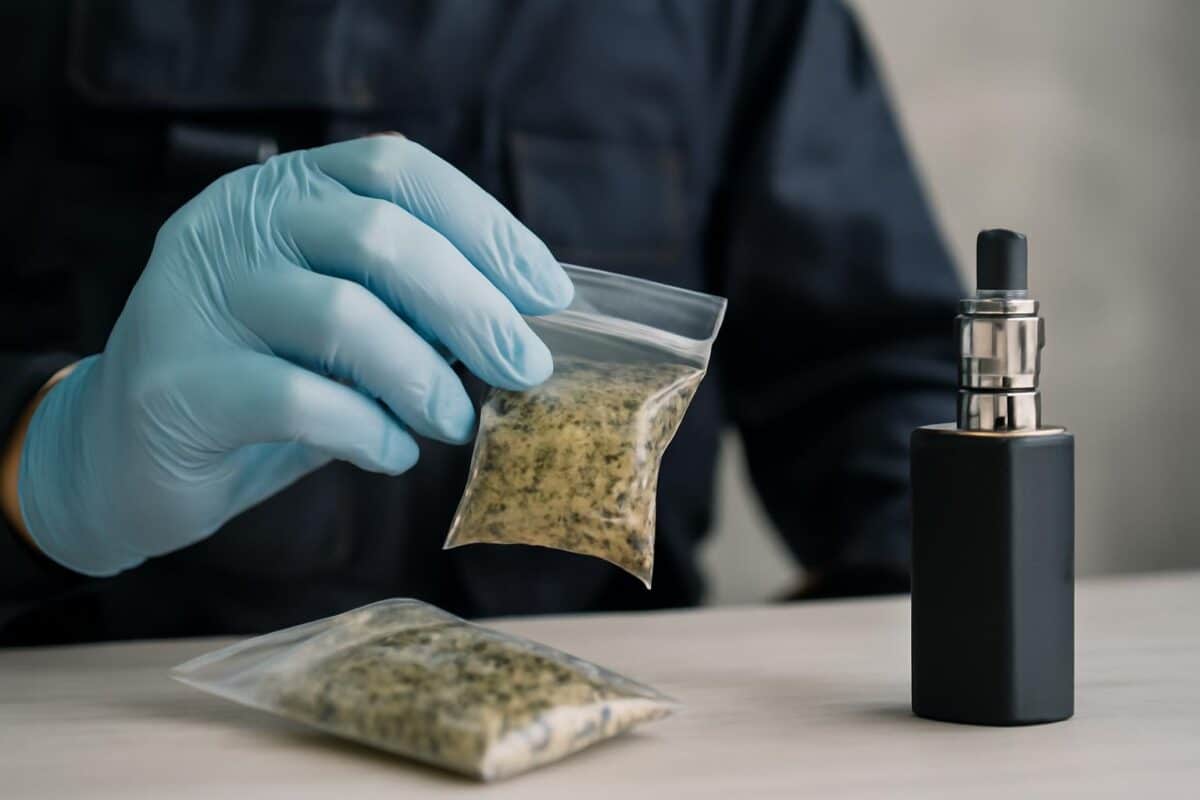
Recent synthetic cannabinoid seizures are putting renewed attention on K2, Spice and other unregulated products sold through vape shops, convenience stores and online marketplaces. News reports published this month described a vape-shop investigation in Arkansas that resulted in the seizure of more than 6,400 allegedly illegal items. Separate reporting from Pennsylvania described charges involving the sale of illegal THC products at a gas station. Although every case depends on local evidence and court proceedings, the broader message is clear: products marketed as legal highs, herbal incense or hemp alternatives can attract serious regulatory scrutiny when their ingredients, labeling or intended use are unclear.
This article explains what these enforcement actions may mean for consumers, retailers and anyone researching synthetic cannabinoids. It is an educational overview, not legal advice and not a recommendation to buy, sell, possess or consume synthetic cannabinoid products.
Why synthetic cannabinoid seizures are increasing
Synthetic cannabinoids are laboratory-made chemicals designed to interact with cannabinoid receptors in the body. They are not the same as naturally occurring cannabis compounds, and the term covers a large and constantly changing group of substances. Some products have been sold under names such as K2, Spice, fake weed, herbal incense or potpourri.
Earlier generations of products often listed a familiar compound on the package. Modern products may be more difficult to identify. A vape, pouch, liquid, paper sheet or dried plant material can contain a compound that is missing from the label, present at an unknown concentration or chemically different from what the buyer expects. This creates problems for public-health workers, laboratories, retailers and law-enforcement agencies.
Enforcement can also be triggered by factors beyond the chemical itself. A product may violate rules relating to age restrictions, packaging, intoxicating claims, licensing, taxation, controlled substances, shipping or consumer protection. In some jurisdictions, a product can be unlawful even when a seller describes it as hemp-derived, aromatic or intended only for research.
What recent vape-shop raids tell us
The reported seizure of thousands of items from a vape shop illustrates how quickly a compliance issue can become a major investigation. Large inventories may include disposable vapes, cartridges, edibles, liquids, flower, powders and branded packaging. If officials believe that some items contain prohibited cannabinoids or were sold in violation of local law, an entire stockroom may be examined and removed.
Reports of charges involving illegal THC products at a gas station point to another important issue: synthetic cannabinoid and hemp-product enforcement is not limited to specialist smoke shops. Convenience stores, fuel stations, online sellers and informal distributors may all face scrutiny when products are sold without reliable testing or appropriate authorization.
These cases do not prove that every product in a particular category is illegal, nor do they establish guilt before a court makes a decision. They do show why shoppers should not assume that a product is safe or lawful simply because it is displayed beside nicotine vapes, rolling papers or ordinary herbal incense products.
K2 and Spice are not predictable cannabis substitutes
The names K2 and Spice are commonly used for products containing synthetic cannabinoids, but the contents can vary greatly between brands, batches and even packages carrying the same design. A product may be advertised as a mild herbal blend while containing a potent receptor-active chemical. Another package may contain a different compound altogether.
That variability is one reason synthetic cannabinoid effects are difficult to predict. Reported reactions can include anxiety, agitation, confusion, nausea, vomiting, rapid heart rate, dizziness, hallucinations, seizures and loss of consciousness. Severe outcomes can be more likely when a person has an underlying health condition, combines substances, receives an unexpectedly concentrated dose or consumes a product intended for a different route of administration.
Packaging language such as “not for human consumption” does not make a product harmless. It is often a legal or marketing statement rather than evidence of safety. Likewise, a claim that an item is “natural,” “premium,” “lab-made,” “research-only” or “legal everywhere” should not be treated as proof that its contents have been independently verified.
Why product labels may not protect consumers
Labeling is useful only when it is accurate, complete and supported by testing. With unregulated synthetic cannabinoids, consumers may encounter several warning signs:
- Missing or incomplete ingredient lists.
- No batch number, manufacturing date or verifiable laboratory report.
- Claims that the product is legal in every state or country.
- Packaging that emphasizes potency without identifying the active compound.
- Instructions that conflict with the stated intended use.
- Spelling errors, inconsistent logos or unusually vague business information.
- Promises of guaranteed effects, extreme strength or a cannabis-like high.
A certificate of analysis can also be misleading if it cannot be matched to the actual batch, comes from an unverifiable laboratory or tests only for a narrow list of compounds. Even a genuine laboratory result may not establish that a product is safe for inhalation, ingestion or skin contact.
Health risks associated with synthetic cannabinoids
Synthetic cannabinoid health risks are linked partly to the chemistry of the compound and partly to the uncertainty surrounding the product. Some chemicals may activate cannabinoid receptors more strongly than THC, while others may affect additional systems in the brain and cardiovascular system. The risk profile can change as manufacturers replace one compound with another to avoid detection or regulation.
Potential warning signs after exposure include extreme sleepiness, severe restlessness, chest pain, breathing difficulty, fainting, uncontrolled movements, unusual behavior, severe vomiting or a seizure. Anyone experiencing these symptoms should receive urgent medical attention. Call local emergency services, provide the product packaging if available and be honest about what may have been used. Medical professionals need accurate information to assess the situation.
Do not attempt to neutralize a suspected synthetic cannabinoid by giving the person another substance. Do not induce vomiting, and do not leave someone who is confused or unconscious alone. If the person is not breathing normally, follow emergency-dispatch instructions while waiting for help.
How enforcement affects online orders and shipping
News of synthetic cannabinoid seizures also matters to people who purchase products online. A website may accept an order even when delivery is unlawful in the destination state, city or country. Packages can be delayed, confiscated or referred to authorities. Payment processors, carriers and marketplaces may also restrict transactions involving controlled or intoxicating substances.
Retailers and consumers should check the law in the place where a product is sold, shipped, received and used. Laws can differ between neighboring states and may change after a new chemical is classified. A seller’s shipping policy is not a substitute for legal research, and a “domestic” shipping label does not prove that the contents are permitted.
Those evaluating educational articles about K2, liquid incense and related products should also distinguish between descriptions of a product and evidence that the product has been independently tested. Search results, customer reviews and product photos can help identify marketing patterns, but they cannot confirm chemical composition or legal status.
What responsible retailers should document
Retailers handling hemp-derived products, research chemicals or aromatic goods should maintain a clear compliance process. This may include supplier records, batch documentation, age-verification procedures, product testing, restricted-destination checks, accurate labeling and a documented recall plan.
Businesses should avoid marketing language that encourages inhalation or ingestion of products labeled as incense, potpourri or research material. They should also avoid claims that a product is a safe alternative to cannabis, cannot be detected, is legal everywhere or has no side effects. Such language can increase both consumer risk and regulatory exposure.
When a product’s identity is uncertain, the safest business decision is to pause sales and seek qualified legal and laboratory advice. Removing a questionable item from inventory is preferable to relying on a distributor’s verbal assurance.
Practical steps for consumers
Consumers can reduce avoidable risk by taking a cautious approach:
- Do not assume legality from availability. A product on a shelf or website may still violate local law.
- Question unexplained potency. Strong-effect claims without transparent ingredients are a warning sign.
- Look for traceability. A batch-specific report from a credible laboratory is more meaningful than a generic testing badge.
- Avoid unknown mixtures. Combining synthetic cannabinoids with alcohol, prescription medicines or other drugs can make effects harder to predict.
- Keep packaging. If a medical problem occurs, the label and lot information may help clinicians identify the exposure.
- Seek help quickly. Serious symptoms should be treated as an emergency rather than waiting for the effects to pass.
Readers comparing terminology can use the site’s category index to find related discussions, but product descriptions should never be interpreted as medical guidance or a guarantee of safety.
Frequently asked questions
Are K2 and Spice the same thing?
K2 and Spice are common street or marketing names for products associated with synthetic cannabinoids. They do not identify one consistent chemical, formula or strength. Two products using the same name may have very different contents.
Does “herbal incense” mean a product is safe?
No. “Herbal incense” may describe a legitimate aromatic product, but it has also been used as a label for products containing undisclosed psychoactive chemicals. The name alone does not establish ingredients, intended use or safety.
Can a synthetic cannabinoid be legal in one place and illegal in another?
Yes. Rules may differ by country, state, county or municipality. Some laws name individual compounds, while others cover chemical classes, analogues or products intended for human consumption. Always check current local rules.
What should someone do after a suspected exposure?
Stop using the product and monitor for concerning symptoms. Contact emergency services immediately for chest pain, trouble breathing, seizures, severe confusion, collapse or loss of consciousness. Keep the package available for medical staff and do not try to treat the reaction with another substance.
The larger lesson from synthetic cannabinoid seizures
Recent raids and prosecutions demonstrate that the synthetic cannabinoid market remains unstable. Product names change quickly, formulations may be concealed and enforcement can reach businesses that assume a display label is enough protection. For consumers, the central issue is not whether a product looks like cannabis or appears beside familiar smoking accessories. It is whether the contents, testing, labeling and legal status can be verified.
Until those questions have reliable answers, caution is warranted. Uncertainty is itself a meaningful risk factor, especially when a product is marketed as a powerful legal high or contains a chemical that has not been properly studied in humans.
