

Uncategorized
Synthetic Cannabinoid Label Safety: How to Evaluate Products After the 2026 Hemp Rule Shift
Nov
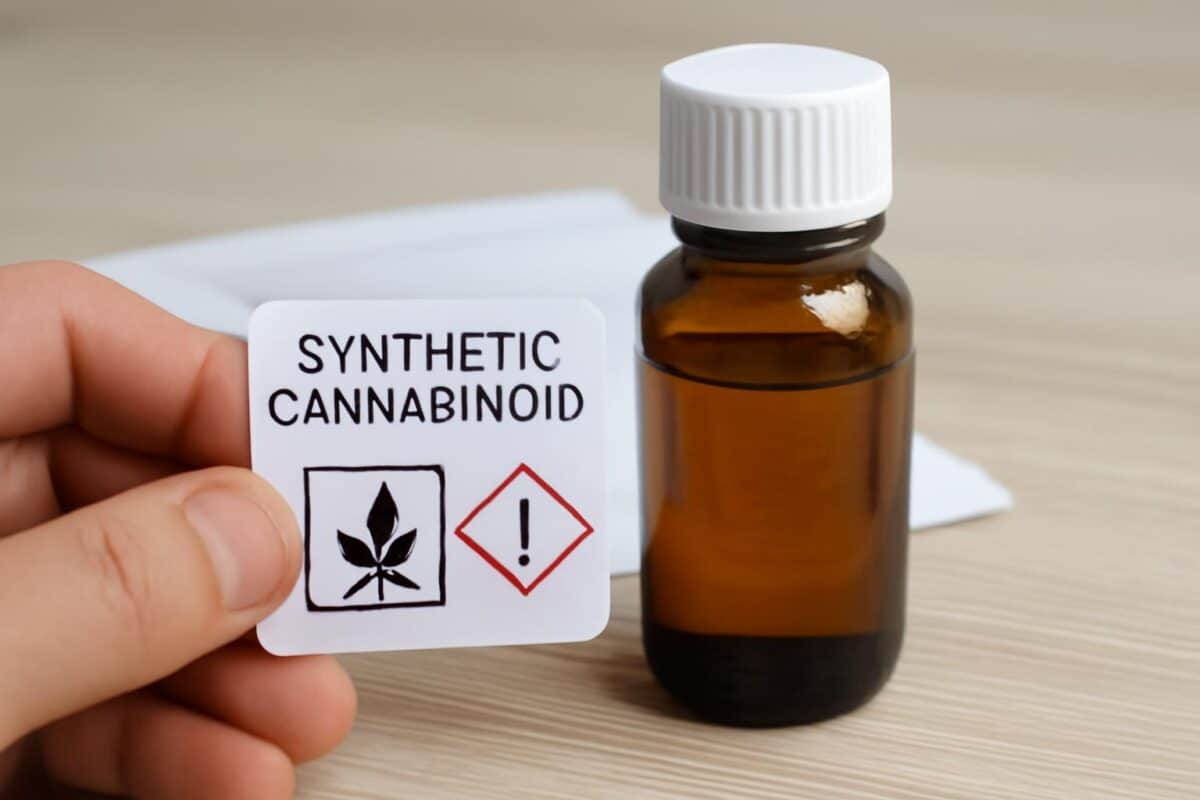
Synthetic cannabinoid label safety has become a more important consumer issue as lawmakers, retailers, and enforcement agencies respond to rapidly changing hemp and cannabinoid products. News reports in late 2026 have focused on tighter federal hemp restrictions, limits on converted cannabinoids, and concerns about products moving through ordinary retail and shipping channels.
For consumers, the practical question is not simply whether a package says “hemp,” “herbal,” or “legal.” The more useful question is whether the label gives enough information to identify what is actually inside the package, how it was tested, and whether the product is lawful where it will be possessed or shipped.
This guide explains how to read a cannabinoid label, why names such as Spice, K2, and “herbal incense” can be misleading, and which warning signs deserve extra caution. It is an educational overview—not medical, legal, or purchasing advice.
Why synthetic cannabinoid labels deserve extra scrutiny
Synthetic cannabinoids are laboratory-made compounds designed to interact with cannabinoid receptors. They are not one single substance. The term can refer to many different chemicals, including compounds that have appeared in products marketed as fake weed, K2, Spice, or herbal incense.
Some newer products use hemp-derived or semi-synthetic cannabinoids and may be promoted with terms such as “alternative THC,” “converted cannabinoid,” or “next-generation hemp.” These labels do not automatically mean a product contains a traditional synthetic cannabinoid, but they can make it difficult to understand the product’s actual chemistry and legal status.
Unlike regulated cannabis markets, many unregulated products have inconsistent manufacturing controls. The same brand name may be used for different formulas, while a package may list only a blend name rather than a complete ingredient profile. Potency can also vary between batches.
The result is a gap between the appearance of a consumer product and the amount of information available about its contents. A colorful pouch or familiar strain name is not evidence of safety, consistency, or legality.
How to read a cannabinoid product label
1. Look for the exact active ingredient
A useful label should identify the active cannabinoid or cannabinoids by name. Broad phrases such as “proprietary blend,” “premium herbal formula,” “plant-powered experience,” or “maximum strength” do not tell you what the product contains.
Be cautious when a package uses a strain-style name but does not identify any measurable cannabinoid. Names such as citrus, haze, diesel, or indica-inspired branding may describe flavor or marketing rather than a verified botanical or chemical profile.
If the product is described as containing a novel cannabinoid, the label should ideally state the exact compound, concentration, serving amount, and total quantity in the package. A label that gives only a brand name or a vague chemical abbreviation is difficult to evaluate responsibly.
2. Check whether the amount is expressed clearly
Labels can list total product weight without stating how much active cannabinoid is present. Those are not the same measurement. A 10-gram package might contain a small amount of active material, a large amount, or an undisclosed mixture.
Look for separate figures for:
- Total package weight
- Total cannabinoid content
- Concentration by weight or volume
- Amount per serving, where a serving is defined
- Batch or lot number
Products that use liquid sprays, infused papers, or concentrated extracts require particular care because the active ingredient may not be distributed evenly. Do not assume that one section of a product has the same composition as another section.
3. Find the batch-specific laboratory report
A credible certificate of analysis should correspond to the specific batch or lot being sold. A generic laboratory logo, a test from a different date, or a report with no matching batch number provides limited reassurance.
Depending on the product category, testing may include cannabinoid identity and potency, residual solvents, pesticides, heavy metals, microbial contamination, and unexpected synthetic compounds. A report that tests only for a narrow list of cannabinoids may not rule out other substances.
Consumers should also check whether the laboratory is identified, whether the report includes test methods, and whether the results are presented in a way that can be understood. A screenshot with cropped sections or unexplained symbols is not the same as transparent documentation.
4. Read the warnings and intended-use language
Labels sometimes state that a product is “not for human consumption,” “for research purposes only,” or “aromatic use only.” Such language does not make an unknown substance safe. It may indicate that the product has not been evaluated for ingestion, inhalation, or other exposure.
Warnings should be specific rather than purely decorative. Useful information may address age restrictions, pregnancy, medication interactions, driving, accidental exposure, and what to do after an adverse reaction.
Do not treat a disclaimer as a guarantee. A product can carry a non-consumption warning while still being marketed in a way that encourages people to inhale, ingest, or otherwise use it. That mismatch is an important warning sign.
Red flags associated with synthetic cannabinoid products
No single red flag proves that a product contains a dangerous compound. However, several warning signs together should lead consumers to stop and reconsider.
- No ingredient list: The package identifies only a fantasy name or flavor.
- Unverifiable testing: The certificate of analysis is missing, outdated, or unrelated to the batch.
- Extreme potency claims: Marketing promises an unusually powerful effect without explaining the compound or measurement.
- Inconsistent packaging: Different packages use different ingredient statements, spelling, logos, or warning language.
- Unusual application methods: A liquid or powder is sold for spraying onto plant material or paper without clear dosing and safety information.
- Rapidly changing names: The product appears under several aliases or is relaunched after regulatory attention.
- Claims of guaranteed effects: Statements promise euphoria, sedation, pain relief, or a specific experience for every user.
- Pressure to avoid questions: A seller cannot explain the formula, test results, age requirements, or shipping restrictions.
Products marketed as K2, Spice, fake weed, or “legal highs” deserve particular caution because these names have historically been used for mixtures with unpredictable ingredients. The word “herbal” describes a marketing category, not a guarantee that the contents are natural or harmless.
Why product names can create confusion
Many cannabinoid products borrow language from cannabis culture. Strain names, colorful graphics, and references to familiar varieties can make a product appear more recognizable than its chemistry actually is.
A product name such as “Citrus,” “Pineapple,” or “Express” may communicate aroma or branding. It does not establish that the product contains cannabis, a specific terpene profile, or a consistent cannabinoid formula. Likewise, the term “resin” may describe texture or marketing rather than a verified resin extracted from a particular plant.
Consumers should separate three different questions:
- What does the product claim to be?
- What does the ingredient panel say it contains?
- What does batch-specific testing confirm?
If those three answers do not match, the product should be treated as uncertain. For general background on how this market presents products, readers can visit the Herbal Spice Shop homepage, but product descriptions should never replace independent safety information or local legal advice.
Legal status is separate from product safety
A product may be advertised as legal in one jurisdiction and restricted in another. Federal rules, state laws, local ordinances, controlled-substance schedules, and postal or carrier policies can all affect whether a product may be sold, possessed, or shipped.
The 2026 policy debate has highlighted how quickly the status of hemp-derived and converted cannabinoids can change. Reports about a federal restriction taking effect in November have also increased uncertainty for businesses and consumers trying to distinguish hemp products from synthetic or semi-synthetic cannabinoids.
Legal status does not answer the health question. A product can be available for sale while having limited safety research. Conversely, a product can be restricted because of its chemistry even when its packaging uses familiar hemp terminology.
Before ordering or transporting any cannabinoid product, check the current rules in the destination jurisdiction and review the seller’s shipping policy. Do not rely on an old blog post, a social media comment, or a “legal everywhere” claim.
How to make a safer consumer decision
A cautious decision process can reduce avoidable uncertainty:
- Pause before purchasing. Do not let scarcity, countdown timers, or bulk discounts replace basic product verification.
- Identify the ingredient. Find the exact cannabinoid and determine whether it is a natural extract, a converted compound, or an undisclosed blend.
- Verify the batch. Match the product’s lot number to a complete, readable laboratory report.
- Review local rules. Confirm that possession and delivery are permitted where you live.
- Avoid mixing substances. Unknown cannabinoid products should not be combined with alcohol, prescription medicines, recreational drugs, or other extracts.
- Plan for accidental exposure. Keep products away from children, pets, and anyone who may mistake them for ordinary herbs or candy.
- Stop when information is missing. Uncertainty is itself a reason not to use an unidentified product.
Consumers interested in broader market updates can review the site’s published post index through the published articles directory. For category-level browsing, the category directory provides another way to locate educational material. Neither directory should be treated as a substitute for laboratory testing, medical advice, or legal guidance.
What to do after a suspected adverse reaction
Seek urgent medical help if someone experiences chest pain, trouble breathing, seizures, severe agitation, extreme confusion, loss of consciousness, or unusual behavior after exposure to a cannabinoid or herbal product. Do not assume that symptoms will resolve simply because the package says “natural” or “legal.”
Keep the package, remaining material, purchase details, and any laboratory report available for healthcare professionals. Do not induce vomiting or attempt to counteract the exposure with another substance. If the person is unconscious, having difficulty breathing, or seizing, contact emergency services immediately.
Because product formulas can change, healthcare professionals may need the actual packaging to understand what may have been involved. Honest, complete information is more useful than trying to describe the product by its marketing name alone.
Frequently asked questions
Are all synthetic cannabinoids sold as K2 or Spice?
No. K2 and Spice are common street and marketing terms associated with various synthetic cannabinoid mixtures, but products may also use new brand names, chemical abbreviations, or hemp-related language. A product’s name does not establish its contents.
Does “herbal incense” mean a product is safe?
No. “Herbal incense” can describe a legitimate aromatic product, but it has also been used as a label for products containing undisclosed psychoactive chemicals. Check the ingredients, intended use, testing, and warnings rather than relying on the category name.
Can a certificate of analysis prove that a product is safe?
No. Testing can provide useful information about a particular batch, but it may not identify every possible contaminant or predict how an individual will react. A report is one part of product evaluation, not a safety guarantee.
Are hemp-derived cannabinoids automatically legal?
No. Legality depends on the specific compound, concentration, manufacturing process, federal rules, state law, local requirements, and shipping destination. Rules are changing, so current jurisdiction-specific information is essential.
What is the biggest label warning sign?
The most significant concern is a combination of undisclosed ingredients, missing batch-specific testing, and aggressive effect claims. When a seller cannot clearly explain what a product contains, how much is present, and how it was tested, consumers should avoid assuming that it is safe.
The bottom line
As the hemp and cannabinoid market changes, careful label reading is more valuable than brand familiarity or attractive packaging. Synthetic cannabinoid label safety begins with identifying the actual compound, confirming the batch, questioning unsupported claims, and checking the law where the product will be possessed or shipped.
When information is incomplete, the safest conclusion is not that the product is harmless—it is that the product is unknown. That distinction matters for anyone researching herbal incense, cannabinoid extracts, legal highs, or other products sold in a rapidly changing market.
